
Evonik strengthens US API manufacturing with a $100 million investment

Subscribe to our free newsletter today to keep up to date with the latest manufacturing news.
Evonik’s decision to invest $100 million in its Tippecanoe Labs facility in Lafayette, Indiana, is more than a site upgrade. It reflects a pharmaceutical industry placing greater emphasis on domestic manufacturing capacity, resilient supply chains and experienced contract development and manufacturing organization (CDMO) partners.
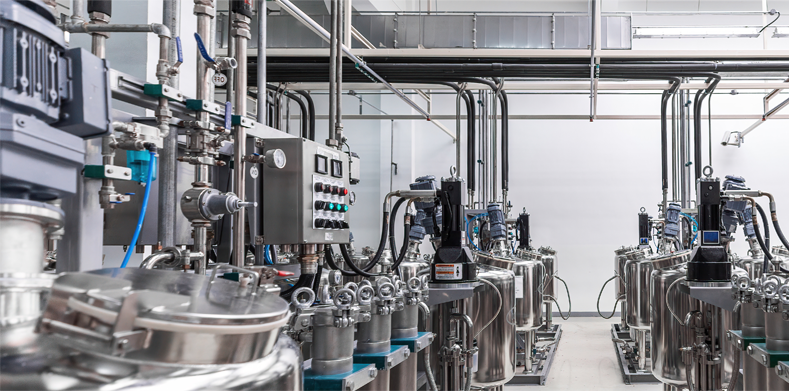
The five-year investment will modernize manufacturing assets, including 100-cubic-meter reactors, alongside automation and infrastructure improvements. While the announcement centers on a single facility, it mirrors wider changes across pharmaceutical manufacturing as companies reconsider where active pharmaceutical ingredients (APIs) are produced and how production networks are organized.
Modernizing an established API manufacturing hub
Tippecanoe Labs has long served as one of Evonik’s flagship facilities for small molecule drug substance manufacturing. The Indiana campus also plays a significant role in high-potency active pharmaceutical ingredient (HPAPI) production, making it an important resource for companies developing increasingly complex medicines.
Rather than building a new site, Evonik is upgrading proven infrastructure. The investment is expected to improve manufacturing reliability, operational efficiency, automation and workplace ergonomics while extending the facility’s long-term production capability.
This strategy reflects a growing preference across the pharmaceutical sector for upgrading established facilities where skilled employees, validated manufacturing processes and regulatory expertise already exist. Modernization can increase productivity and operational flexibility while reducing the time and cost associated with constructing new manufacturing sites.
The project also strengthens Evonik’s position in the pharmaceutical CDMO market, where customers increasingly seek partners capable of combining technical expertise with dependable regional manufacturing capacity.
Domestic manufacturing continues to gain momentum
Interest in US-based pharmaceutical manufacturing has grown steadily over the past several years. Supply chain disruptions exposed vulnerabilities associated with globally concentrated production, prompting many pharmaceutical companies to reassess how and where medicines are manufactured.
Today, manufacturing decisions extend beyond production capability alone. Companies are placing greater weight on supply security, regulatory familiarity, logistics and business continuity when selecting CDMO partners. The broader market supports this direction. Industry forecasts indicate continued growth in pharmaceutical outsourcing as therapies become more complex and manufacturers seek specialist production expertise. API manufacturing remains one of the largest and fastest-growing segments within the CDMO industry.
Building a more balanced manufacturing footprint
The Indiana investment reflects a broader movement toward regional manufacturing resilience. Pharmaceutical companies are strengthening production capabilities in North America while maintaining global manufacturing networks, creating greater flexibility without relying too heavily on any single geography.
Modern manufacturing technologies improve process consistency, support quality objectives and increase operational efficiency. As pharmaceutical products become more sophisticated, these capabilities are becoming essential to maintaining competitiveness. For CDMOs, investments in advanced manufacturing also improve their ability to support customers from clinical development through commercial production.
Evonik’s investment demonstrates that pharmaceutical manufacturing projects are increasingly strategic. Modern facilities, regional production capacity and advanced manufacturing technologies now play an important role in strengthening supply chains while supporting long-term growth.
As demand for outsourced pharmaceutical manufacturing continues to expand, similar investments are likely to become more common across the industry. They highlight the growing importance of resilient, technology-driven manufacturing as pharmaceutical companies prepare for the next generation of drug development.
Source:
Fierce Pharma
