JST to develop $500 million electronics plant in Alabama

Subscribe to our free newsletter today to keep up to date with the latest manufacturing news.
JST’s decision to establish a $500 million electronic connector manufacturing facility in Lake Guntersville marks one of the largest industrial investments in Marshall County’s recent history. The scale alone sets it apart. In a region where annual capital investment has typically ranged near $130 million in recent years, a single project of this magnitude alters the trajectory of local industrial development.
The facility, expected to span more than 500,000 square feet on a 240-acre site, reflects long-term strategic intent rather than short-term expansion. JST is not entering a new market but deepening its presence in a region where it has operated for more than two decades. This continuity signals confidence in local infrastructure, workforce reliability and the broader business climate.
The figures also introduce a tension that increasingly defines modern manufacturing. Despite the scale of investment, the facility is expected to create about 80 new jobs. For policymakers and economic development leaders, that ratio between capital and labor raises questions about how success is measured. The headline figure of $500 million carries weight, but employment impact remains modest compared with legacy manufacturing projects.
Why JST is moving closer to US supply chains
JST’s expansion into Lake Guntersville aligns with a broader repositioning of global supply chains. Electronics manufacturers, particularly those serving automotive and industrial sectors, are under pressure to reduce lead times and improve resilience. Locating production closer to end markets is becoming standard practice.
The US Southeast has emerged as a focal point for this strategy. Proximity to automotive assembly plants, a well-developed logistics network and a competitive cost base have made states like Alabama attractive. For JST, which supplies connectors used in vehicles and industrial equipment, location is closely tied to customer access.
This move also reflects a recalibration of risk. Disruptions in global trade over the past decade have exposed vulnerabilities in extended supply chains. By investing in domestic production capacity, companies like JST can reduce exposure to geopolitical uncertainty while maintaining service levels for North American clients.
At the same time, the decision reinforces the growing importance of regional manufacturing hubs. Rather than relying on centralized global production, companies are building distributed networks that balance efficiency with resilience. Lake Guntersville becomes one node in that system.
Automation, efficiency and the new manufacturing model
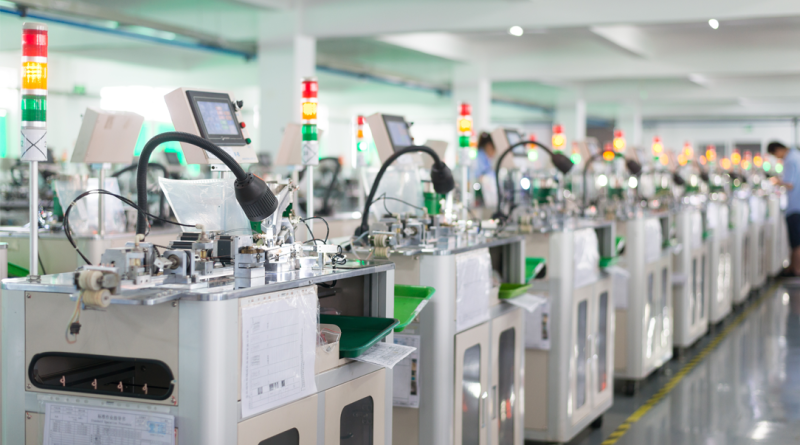
The relatively low job creation figure tied to a $500 million investment becomes clearer when viewed through the lens of automation. JST’s facility is expected to integrate advanced, AI-driven systems across production processes, including injection molding, stamping, plating and assembly.
This approach reflects an industry transition toward high-efficiency manufacturing environments. Output is no longer directly proportional to workforce size. Productivity gains are driven by technology integration, process optimization and data-informed decision-making.
For manufacturers, the benefits are clear. Automated systems reduce variability, improve quality and allow for continuous operation. They also address persistent labor shortages, particularly in specialized manufacturing roles.
For local economies, the implications are more complex. While the number of jobs may be limited, the roles that do emerge tend to require higher skill levels. Engineering, maintenance and systems management positions become more central. This shifts the focus from job quantity to job quality, placing greater emphasis on workforce development and training.
Site selection, sustainability and long-term positioning
Beyond economics and technology, JST’s choice of Lake Guntersville reflects a layered site selection strategy. The Conners Island Business Park offers industrial capacity and proximity to transportation networks and existing operations. Continuity reduces operational friction and supports faster ramp-up timelines.
There is also an emphasis on environmental integration. Plans for the site include preserving significant portions of surrounding land, maintaining public access and aligning the facility with the natural landscape. This approach reflects a shift in industrial design, where environmental considerations are incorporated early in planning.
Such decisions carry reputational value. As manufacturers face increasing scrutiny from customers and regulators, responsible land use becomes part of the broader business case.
For Alabama, projects like this reinforce its positioning as a destination for advanced manufacturing. The state has built a reputation for attracting foreign direct investment, particularly from companies seeking a foothold in the US market. JST’s expansion adds to that trajectory, signaling that the region can support complex, capital-intensive operations.
The long-term impact will depend on how effectively local systems adapt. Infrastructure, education and workforce training programs will need to align with the demands of this manufacturing model. The investment sets the stage, while outcomes will be shaped over time.
Sources:
MadeinAlabama