
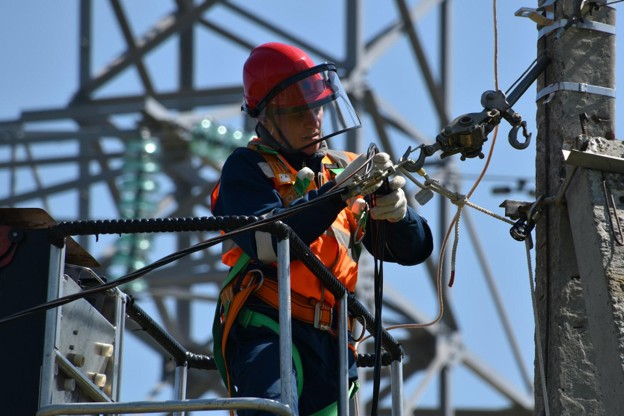
Proactive vs. Reactive Power Maintenance: Which Strategy Saves Money Long-Term?

Critical power systems often stay out of sight when everything is running smoothly. A failure can quickly change that, bringing emergency repairs, operational disruption and costly downtime. Facility managers face an important maintenance decision. They need to respond when equipment fails or invest in keeping systems in good condition through regular inspections, testing and service.
Reactive Maintenance Can Carry Hidden Costs
Reactive maintenance means addressing equipment issues after they develop or fail. It can make sense for equipment where a failure has limited operational consequences, particularly when routine servicing would provide little practical benefit. However, critical power systems have a different set of financial considerations.
When an important component fails unexpectedly, the facility may need emergency technician support, replacement parts and expedited shipping. Maintenance teams may also need to work outside normal hours to restore the system. If the failure affects operations, downtime can become one of the largest costs associated with the incident.
The potential cost of an outage can be substantial, since 57% of major outages cost over $100,000. This puts the financial consequences of a serious failure well above the cost of many routine maintenance activities.
A facility may spend relatively little on maintenance during periods when equipment performs reliably, then face significant expenses when a failure occurs. Lost productivity, interrupted operations and pressure on other equipment can add to the final cost.
Proactive Maintenance Makes Costs More Predictable
Proactive maintenance uses scheduled inspections, preventive servicing, testing and condition monitoring to keep power systems in good working order. The specific maintenance program depends on the equipment, operating environment and consequences of failure.
Planned maintenance is the most frequently used maintenance strategy for 63% of companies, compared with 17% for reactive maintenance and 16% for predictive maintenance. Predictive maintenance falls within the broader proactive maintenance category. It uses equipment data and condition monitoring to identify signs of deterioration and help determine when service may be needed.
NIST reports that the top 50% of companies using predictive maintenance experienced 15% less downtime, an 87% lower defect rate and 66% less inventory increases caused by unplanned maintenance.
For critical power systems, regular testing can reveal declining performance before it develops into a major failure. Maintenance teams can schedule corrective work during a suitable maintenance window. They can also order parts in advance and allocate labor more efficiently.
This approach can make maintenance budgets easier to manage and reduce the risk of disruptive downtime. It can also help facilities get more useful service from existing equipment. Proactive maintenance cannot prevent every failure, but it gives facility managers better information about equipment condition and more time to respond to developing problems.
How to Calculate the Cost of Each Maintenance Strategy

The financial comparison should start with the annual cost of planned maintenance and then estimate the cost of a significant equipment failure. That second figure can include emergency labor, replacement components, expedited shipping and the value of lost operating time.
For example, a facility could compare the cost of scheduled battery testing and servicing with the potential expense of an unexpected battery failure. If a failure requires emergency work and several hours of downtime, the resulting cost may exceed the cost of several years of scheduled maintenance.
The figures will vary by facility and equipment. A short interruption at one site may have limited financial consequences, while downtime at a manufacturing plant, data center or utility facility could affect production, services or other critical operations. This calculation gives maintenance teams a clearer basis for deciding how much to invest in preventing and preparing for equipment failures.
What to Look for in an On-Site Power Maintenance Partner
Facility managers should look for a provider with strong critical power expertise, qualified on-site technicians and the ability to respond when equipment needs attention. Experience with different manufacturers can also give facilities more flexibility when maintaining existing systems or planning future upgrades. National coverage may be important for organizations with multiple sites, particularly when consistent service is needed across locations.
For instance, Concentric brings these capabilities to critical power maintenance, with over 25 years of experience across utility, industrial, communications and mission-critical environments. It offers on-site maintenance services and supports equipment throughout its life cycle, giving customers access to services that include:
- Monitoring and planned maintenance
- Repair, testing and upgrading
- Installation and project management
- End-of-life management and replacement
These capabilities can make it easier to assess the value of a maintenance partner. Technical expertise and on-site resources can help teams address equipment issues promptly, while life cycle support can help them plan maintenance and equipment decisions with greater confidence.
Frequently Asked Questions
Find the most commonly asked questions about reactive and proactive maintenance below.
What is reactive power maintenance?
Reactive maintenance addresses equipment after a fault or failure occurs. It can limit planned maintenance spending, but critical power failures can bring emergency repair costs, replacement expenses and operational downtime.
What is proactive power maintenance?
Proactive maintenance uses scheduled inspections, preventive servicing, testing and condition monitoring to identify potential problems before they become major failures. The specific maintenance schedule should reflect equipment type, operating conditions and system criticality.
Does proactive maintenance reduce downtime?
Yes. Regular testing and condition monitoring give maintenance teams earlier visibility into equipment problems and more time to schedule corrective work. Companies with stronger predictive maintenance performance may experience less downtime. They can also lower defect rates and reduce inventory increases caused by unplanned maintenance.
What should facility managers consider when choosing a power maintenance provider?
Technical expertise, qualified on-site technicians, response capabilities, equipment experience and geographic coverage are important considerations. Life cycle support can also help facilities manage maintenance, testing, upgrades and equipment replacement as requirements change.
What services should an on-site power maintenance provider offer?
Services can include monitoring, planned maintenance, repair, testing and upgrading. Installation, project management and end-of-life management may also be useful for facilities that need support across the power system life cycle.
Plan for Power, Not Problems
Reactive maintenance can leave facilities exposed to emergency repair bills and costly downtime. Conversely, proactive maintenance gives teams better visibility into equipment condition and more opportunities to plan service around operations. A capable on-site provider can support that work with technical expertise, testing, maintenance and life cycle services, helping facility managers protect uptime while keeping maintenance spending more predictable.

*Please note that this list includes sponsored content. Some of the companies, products, or services featured have entered into commercial agreements for placement. Sponsored placements do not necessarily reflect an endorsement and should be considered alongside other options in the marketplace.