

Renewable energy in manufacturing. By Sam de Frates

The manufacturing sector has long been at the heart of economic growth, innovation, and societal development. Today, however, the industry faces a defining challenge: how to meet growing global demand for manufacturing, while significantly reducing its environmental impact. Energy consumption – long a fundamental input to manufacturing – is now under greater scrutiny than ever, not only for cost efficiency but also for its contribution to climate change. As a result, the question for manufacturers is no longer whether renewable energy makes sense, but how to implement it effectively and at scale.
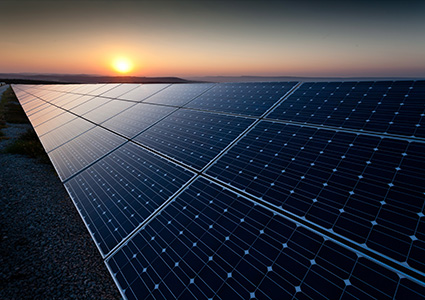
Recently, Mars reached a major milestone: all its European Snacking manufacturing sites are now powered by 100 percent renewable energy. This was achieved through the purchase of Guarantees of Origin certificates, covering renewable electricity and biomethane equivalent to the energy used in direct operations, alongside investments to reduce and convert energy consumption. And this milestone reflects a broader shift underway across the sector. This article explores why making that transition matters – and what it signals for the future of energy in manufacturing.
Why renewable energy matters
Renewable energy is no longer a niche or experimental technology option; it has become a strategic imperative. Over the past couple of decades, manufacturing advances and far-reaching investments in wind, solar, and biomass technologies – combined with supportive policy frameworks – have made renewable electricity increasingly accessible to industrial operators. Beyond immediate cost considerations, renewables can provide greater resilience against energy price volatility, support net-zero commitments, and help organizations respond to rising regulatory and consumer expectations around sustainability.
Implementing change at scale
While the case for renewable energy is clear, implementation is rarely straightforward. Transitioning a manufacturing network – particularly one operating at high volumes across multiple locations – requires careful planning and long-term investment. Manufacturers must evaluate their energy consumption patterns, assess the availability of renewable sources, and often deploy a mix of solutions. This can include on-site generation alongside market-based instruments such as renewable electricity certificates to ensure continuity and reliability of supply. Challenges with grid infrastructure and energy storage add further complexity, highlighting the need for supportive policies to enable a reliable and scalable energy transition.
Integrating energy into manufacturing strategy
Experience from those further along the journey shows that energy transformation works best when it is embedded into broader manufacturing strategy. Investments in modern, energy-efficient production facilities can reduce environmental impact while also strengthening operational resilience and productivity. Upgrading equipment, improving energy management systems, and redesigning processes are just as important as sourcing renewable electricity. Taken together, these measures create a more holistic approach – one that supports long-term sustainability without compromising growth or competitiveness.
Collaboration and local impact
Energy transition does not happen in isolation. Collaboration with local and regional stakeholders is critical, particularly where renewable energy deployment depends on grid capacity or local generation projects. Manufacturing organizations can play an active role in supporting these developments, helping to build regional energy ecosystems that deliver shared economic and social benefits alongside decarbonization.
Culture and leadership
Importantly, the shift to sustainable energy is not only a technical challenge – it is also a cultural one. Leadership must prioritize sustainability alongside performance, embedding environmental considerations into decision-making at every level of the organization. Employees play a vital role, from identifying efficiency opportunities to adopting new ways of working that reduce energy demand. When strategy, culture, and investment decisions align, the impact of a sustainable energy transition can be genuinely transformative.
Benefits beyond sustainability
The advantages of renewable energy extend well beyond environmental responsibility. For manufacturers, transitioning to renewables can deliver significant cost savings and enhance the security and reliability of energy supply – critical factors for uninterrupted production. At the same time, strong energy commitments resonate with consumers, investors, and business partners, signaling innovation, foresight, and accountability. Taken together, these benefits demonstrate that organizations can thrive in a low-carbon economy while maintaining robust, efficient operations.
Europe’s opportunity
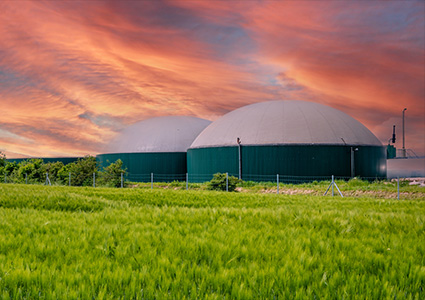
For Europe, the opportunity is particularly compelling. The region has made significant progress in decarbonizing electricity supply, creating a strong foundation for industrial transformation. Manufacturers that act now can leverage this momentum to future-proof their operations – reducing emissions, strengthening competitiveness, and contributing to broader societal goals.
Shaping the future of manufacturing
Ultimately, renewable energy in manufacturing is about shaping the future we want to see. It is a long-term commitment that demands vision, sustained investment, and practical action. While challenges remain – ranging from infrastructure constraints to regulatory complexity – the potential rewards are significant. For manufacturers willing to lead, renewable energy offers a clear pathway to sustainable growth, operational resilience, and meaningful progress on climate action.
As the sector continues to evolve, one thing is clear: the energy decisions made today will define the manufacturing landscape of tomorrow. Organizations that embrace renewable energy at scale will not only reduce their environmental impact, but also strengthen their capacity to innovate, adapt, and thrive. By placing sustainability at the heart of manufacturing strategy, the industry can remain a powerful force for progress – while helping to secure a more resilient planet for future generations.
Sam de Frates
Sam de Frates is Vice President, Procurement & Sustainability at Mars. Mars, Incorporated is a family-owned global business guided by the belief that the world we want tomorrow starts with how we do business today. As a $65bn+ family-owned business with 170,000 Associates worldwide, Mars’ portfolio spans leading pet care and veterinary services, alongside some of the world’s most loved food and snacking brands – from ROYAL CANIN®, PEDIGREE® and WHISKAS® to M&M’S®, SNICKERS®, Pringles®, Cheez-It® and BEN’S ORIGINAL
