
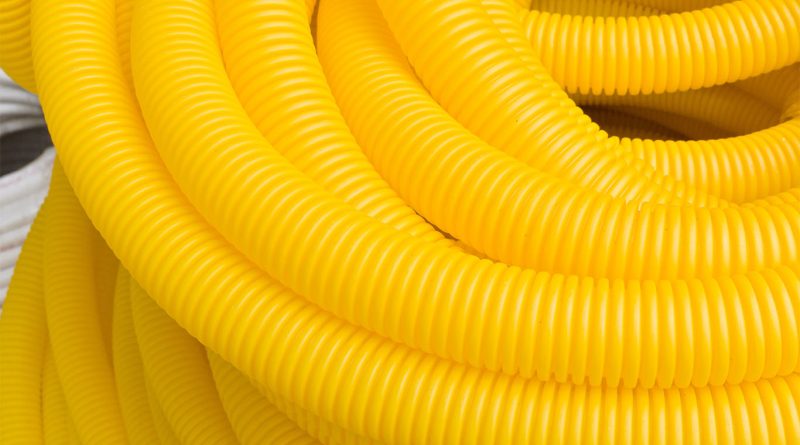
Selecting the Right Conduit for High Temperature Manufacturing Environments

Electrical systems must operate even in extreme manufacturing environments. Choosing the correct high-temperature conduit helps keep cables safe from heat damage, reduces the risk of accidents, and prevents downtime. When manufacturers implement this immediately, they may improve their equipment’s performance and stability over time.
Key Considerations for High-Temperature Conduit Selection
When choosing a high-temperature conduit, manufacturers need to think about more than just how well it can handle heat. They also need to consider how the whole working environment will affect performance over time. Leaders can choose solutions that enhance safety, reliability and long-term efficiency by considering materials, exposure conditions and compliance requirements.
Look Beyond Temperature Alone
The temperature is only one factor to consider in the matter. According to research in the field, the world’s 500 largest corporations lose 11% of their annual income, or $1.4 trillion, due to unplanned downtime. Because of that risk, it is vital to look at the whole operational environment, including how much exposure there is to:
- Moisture
- Chemicals
- UV radiation
- Vibration
- Physical impact
Choosing a conduit that can withstand multiple stressors at once helps reduce maintenance and keeps important wiring safe in tough manufacturing conditions.
Metal vs. Plastic Conduit for High-Temp Applications
Another important stage is deciding between metal and plastic conduit for high temperatures. People routinely look at metal conduit to assess its strength and durability, especially in areas where it will be exposed to significant mechanical stress. However, advanced polymer conduits made from materials such as polyamide can withstand heat well and are also lighter and less prone to corrosion. These qualities make systems work more dependably in complex automation settings.
Confirm Compliance with Industry Standards
When choosing a conduit, look for industry certifications. Checking ratings such as UL certifications and NEMA classifications helps ensure that conduit systems are safe and function as intended in high temperatures. Putting certified solutions first helps meet regulatory goals and lowers the chance of unforeseen failures.
AerosUSA as the High-Performance Solution
Manufacturers working in tough, hot conditions can benefit by choosing a conduit that balances heat resistance, flexibility and durability. Partnering with companies like AerosUSA, Inc., a leading supplier of protection solutions for high-temperature manufacturing, helps make a big difference in long-term reliability.
The company offers sophisticated conduit systems that can handle these problems. For example, AerosUSA’s Rohrflex conduit is lightweight and very flexible, helping speed installation while still providing robust sealing against dust and moisture.
AerosUSA’s solutions are built to last, withstand flames, and perform consistently in factory automation and other high-heat manufacturing environments. This gives operations teams a simple method to improve cable protection without making installation more difficult.
Frequently Asked Questions
What are the industry standards for high-temperature electrical conduits?
Manufacturers should look for conduit systems with UL approvals and NEMA ratings to confirm they meet safety and performance expectations in high-temperature environments.
What are the main differences between using metallic versus non-metallic conduits in high-heat settings?
Metallic conduit provides strong physical protection, while advanced non-metallic options offer heat resistance and benefits such as flexibility and corrosion resistance.
How does the choice of conduit material affect long-term maintenance and total cost of ownership?
Choosing conduit suited for heat and environmental exposure can reduce downtime, maintenance needs and replacement frequency, helping improve long-term operating costs.
Choosing a Conduit That Supports Long-Term Reliability
Selecting the right conduit for high-temperature manufacturing environments helps protect equipment and reduce the risk of costly downtime. By evaluating materials and certified solutions, manufacturers can build more reliable systems that perform consistently over time.

*Please note that this list includes sponsored content. Some of the companies, products, or services featured have entered into commercial agreements for placement. Sponsored placements do not necessarily reflect an endorsement and should be considered alongside other options in the marketplace.