
The Essential Role of Underwater Robots in Modern Pipeline Maintenance

Underwater pipelines are critical to various manufacturing, supply chain, and digital connectivity sectors. As important as they are, they are also vulnerable to accidents and even sabotage.
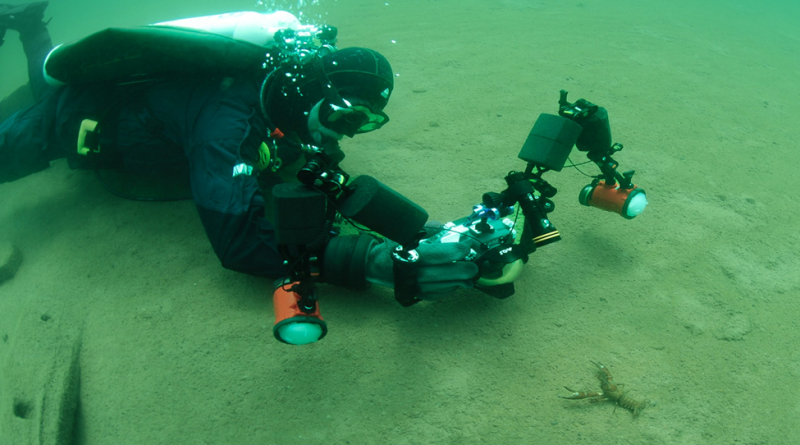
However, inspections were previously limited to human divers who risked long hours in cold, high-pressure water. Another option involved towed sensors dragged by boats, but often produced hazy images.
The solution to many of these problems is a Remotely Operated Vehicle (ROV). They allow operators to survey transmission lines while keeping people out of dangerous environments and provide more precise information about channel conditions.
What Is a Remotely Operated Vehicle?
ROVs are more commonly called underwater robots. Despite the name vehicle, these submersible machines are unmanned and tethered to a vessel to enable aquatic exploration.
Leading companies in underwater inspection, such as Deep Trekker Inc., manufacture aquatic robots that can explore hard-to-reach shallow waters and even support sea-bottom probing to depths of up to 9,800 feet. They use high-definition cameras and sonar equipment to read the environment without compromising a diver’s safety.
With these capabilities, underwater ROVs might be among the technological innovations that help humans start to explore the unknown 80% of the ocean.
How Do Underwater Robots Help With Pipeline Maintenance?
The global trunk and transmission pipeline network spans about 2.28 million kilometers. Monitoring a system of this scale through human effort alone is challenging, but maintenance and manufacturing adjustments can be much more efficient with robotic assistance.
Enable Visual Inspections
Operators deploy them along the channel route. High-definition cameras and bright lighting allow the robot to examine welds, joints and protective coatings. Crews watch the feed in real time and look for corrosion, cracks, marine growth or sections where sediment has shifted around the tubes. These observations help crews schedule maintenance.
Check Seabed and Stability
Pipelines rest on the ocean floor where currents and moving sand gradually change the surrounding terrain. An underwater robot moves along the seabed to monitor these changes. Using sonar and positioning tools, the robot measures burial depth and detects spans where the ducts hang above the seabed. Engineers rely on this data to plan stabilization work such as rock placement or trench reinforcement.
Perform Minor Intervention Work
Work-class ROVs can carry manipulator arms and tool attachments that allow crews to tighten bolts, operate valves or place temporary clamps. These manufacturing tasks help maintain transmission lines while they remain in service. Some systems, such as those developed by Deep Trekker, can even reach narrow areas that may be difficult for human divers to access.
Frequently Asked Questions
Here are a few questions commonly asked about underwater robot use for pipeline maintenance.
Can underwater robots replace divers completely?
ROVs reduce diver risk but complement human teams. Divers still perform complex repairs, but robots handle inspections and hazardous tasks.
How quickly can an ROV be deployed?
Some Deep Trekker models deploy in as little as 30 seconds, making them ideal for emergencies.
Are ROVs cost-effective?
Yes, underwater robots are highly cost-effective compared to traditional diving, particularly for surveys and light intervention. They reduce downtime, improve safety and minimize environmental damage, all of which help offset the initial investment.
What industries use underwater robots for pipeline work?
Energy, shipping, municipal infrastructure and manufacturing, offshore wind, nuclear, hydroelectric and marine research all rely on ROVs.
Maintenance Robots on the Job
In an age where artificial intelligence often sparks fears of humans being replaced, aquatic robots don’t displace skilled divers — they protect them. By handling inspections, repairs and monitoring tasks, these robots reduce human exposure to dangerous conditions while keeping operations efficient and reliable.

*Please note that this list includes sponsored content. Some of the companies, products, or services featured have entered into commercial agreements for placement. Sponsored placements do not necessarily reflect an endorsement and should be considered alongside other options in the marketplace.