
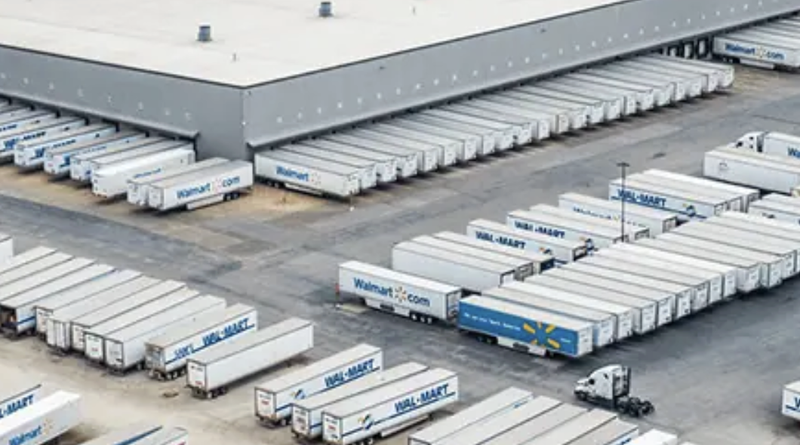
The Return of Warehouse Construction in 2026 and What It Means for Concrete Specifications

Distribution center construction is rebounding after years of market stagnation, but tenant priorities have shifted significantly. Custom-built facilities now lead the industrial landscape, and facility operators are demanding concrete specifications engineered for automation, heavy robotics, and high-intensity operations. This guide draws on insights from FORTA, a global synthetic reinforcement fiber supplier established in 1978.
The Shift to Custom Facilities
The industrial construction sector has undergone a fundamental transformation toward tenant-driven development since the speculative building boom of the early 2020s. Build-to-suit projects now represent 40% of industrial space under construction, while speculative development accounts for a smaller share of deliveries.
Data centers and specialized industrial facilities are driving the broader nonresidential construction market in 2026, even as tight labor availability and elevated material costs continue to challenge project timelines and budgets. These economic pressures have intensified focus on specification quality and performance outcomes.
Developers with negotiating power are leveraging this environment to secure custom-designed facilities that meet specific operational requirements instead of simply accepting generic warehouse shells. Such a dynamic has placed concrete floor specifications at the center of project negotiations, with facility planners now recognizing that substandard flooring can undermine operational efficiency and increase maintenance costs over the facility’s lifespan.
Why Legacy Floor Specs Fail Modern Demands
Traditional concrete specifications were developed for conventional forklift traffic and static storage, not for the concentrated loads and repetitive stresses generated by automated warehouse operations. As FORTA explains, legacy specs relying on welded wire mesh or minimum approaches were never engineered to handle the unique demands of autonomous mobile robots, high-density racking systems, and continuous robotic operations.
When facility managers introduce heavy robotics and intense automated systems to floors built with outdated methods, several structural failures typically emerge. Repetitive wheel paths accelerate surface cracking. Joint deterioration progresses faster than anticipated, while slab sections experience premature wear, necessitating costly repairs or replacement. These issues disrupt operations and create maintenance expenses that erode the economic advantages automated systems were intended to deliver.
Reinforcement Fiber Options for Distribution Centers
Per FORTA’s insights on fiber-reinforced concrete, synthetic fiber systems offer a performance-oriented alternative to traditional steel methods for distribution centers that require durability and crack resistance. The company’s engineering division specializes in converting conventional rebar-based designs to fiber systems optimized for specific operational loads and project requirements.
Macro Synthetic Fibers for Heavy Loads
Macro synthetic fibers replace welded wire mesh in secondary reinforcement applications, such as slab-on-the-ground applications where high floor loading and automated equipment create sustained stress. These products are mixed directly into the concrete to form a uniform, 3D network throughout the slab’s volume. This distribution method provides consistent load transfer across the concrete matrix and reduces the risk of localized failure points common in traditional mesh systems.
Micro Synthetic Fibers for Shrinkage Control
Microfibers address early-stage cracking and improve finish quality in freshly placed concrete. These fibers create an internal network that holds the wet mixture together and redistributes stress during the plastic shrinkage phase when concrete is most vulnerable to cracking.
Facility managers benefit from improved durability, which extends floor life and reduces the frequency of treatments needed to maintain safe, smooth operating conditions.
Operational Benefits of Synthetic Fibers
Premixing or direct batching eliminates the need to cut, tie, and place traditional steel rebar or wire mesh. This approach also bypasses delays caused by municipal inspections required for conventional steel placement, allowing construction teams to maintain tighter project schedules. Requiring fewer workers on-site to handle preparation cuts overall labor overhead and reduces coordination complexity during the concrete pour phase.
Stress distributes evenly throughout the concrete matrix to prevent plastic and drying shrinkage cracks at an early stage, providing enhanced crack control that protects structural integrity over time.
Foundation and slab work can account for roughly 15% of a massive distribution center’s build cost, making durable systems a financial necessity rather than an optional upgrade. Recent data on warehouse construction confirm that these structural cost factors and loading requirements are critical specifications in modern industrial projects.
Frequently Asked Questions
Facility managers evaluating strategies for custom projects often raise similar questions about fiber performance, specification changes, and sustainability considerations.
What are the best reinforcement fibers for distribution center warehouse flooring?
FORTA notes that macro synthetic fibers work well for heavy-load applications where automated systems and high-density storage create sustained stress. In contrast, micro synthetic fibers excel at controlling early-stage shrinkage cracks and improving finish quality. The best choice depends on specific operational demands, loading requirements, and project budget constraints. Its engineering team provides technical consultation to match solutions to individual project specifications and deliver optimized performance.
How do fiber-reinforced floors simplify the construction process?
Premixing or direct batching eliminates the labor-intensive steps needed for traditional steel placement. It also removes the need to cut, tie, and position rebar or wire mesh on-site, thus reducing labor requirements and accelerating pour schedules. The method also bypasses municipal inspections typically required for steel, enabling teams to maintain tighter timelines.
Why is build-to-suit construction changing concrete specifications?
Custom projects give developers direct influence over design decisions, and facility operators with experience in automation-heavy environments understand that minimum-spec floors create maintenance problems. According to FORTA, property owners are now requesting higher-performance systems during the design phase rather than accepting developer-selected minimums. This shift reflects growing recognition that flooring performance directly affects operational uptime and total ownership costs.
How do synthetic fibers improve concrete sustainability?
Durable floors reduce maintenance expenses and extend service life, thereby minimizing disruptive repairs and shutdowns. Synthetic fibers provide crack control to reduce deterioration and offer increased impact resistance and fatigue tolerance, leading to concrete that lasts. FORTA offers an Environmental Product Declaration that increases transparency for sustainability measures, supporting facility managers who must document environmental performance for corporate reporting or certification programs.
Long-Term Performance Through Proper Reinforcement
The 2026 warehouse construction rebound presents an opportunity to build for performance rather than just occupancy. Proper decisions made during the design phase prevent structural problems that disrupt automated operations and lead to unplanned expenses. Facility managers who prioritize performance specifications position their operations for sustained efficiency and reduced ownership costs.

*Please note that this list includes sponsored content. Some of the companies, products, or services featured have entered into commercial agreements for placement. Sponsored placements do not necessarily reflect an endorsement and should be considered alongside other options in the marketplace.