US factory backlogs reach $1.61 trillion as costs rise

Subscribe to our free newsletter today to keep up to date with the latest manufacturing news.
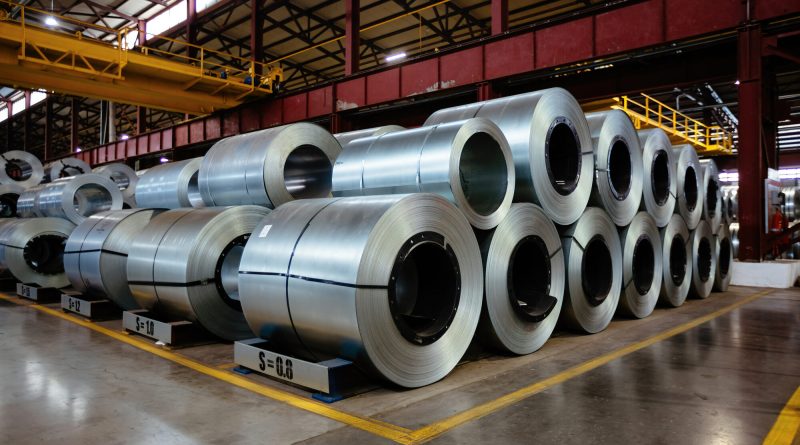
US manufacturing backlogs reached $1.61 trillion in August as rising steel prices, higher freight costs and labor shortages put further pressure on factory production.
Unfilled orders increased 0.6% from July, according to figures released by the US Census Bureau on Oct. 2. Backlogs have risen in 25 of the past 26 months, pointing to a sustained gap between incoming orders and completed deliveries.
Factory shipments remained almost unchanged at $658.6 billion in August, ending eight consecutive months of growth. New orders increased 0.1% to $663.5 billion.
The figures highlight the pressure facing US manufacturers. While demand remains strong in parts of the industrial economy, rising operating costs and supply chain constraints are making it harder to complete orders on schedule.
For manufacturers and their suppliers, the concern is whether existing production capacity can meet demand without further delays or reduced profit margins.
Rising steel and freight costs are adding to production pressures
Higher input costs are making it more expensive for US factories to maintain production.
The Institute for Supply Management (ISM) reported that its manufacturing Purchasing Managers’ Index stood at 54.5 in September, marking nine consecutive months of expansion. A reading above 50 indicates growth in manufacturing activity.
However, the ISM prices index rose 6.8 percentage points to 77.9. Some 58.6% of manufacturers surveyed reported higher input prices, compared with 46.2% in August.
Steel and aluminum were among the main sources of cost pressure. Manufacturers also reported higher prices for freight, diesel and electrical components.
These increases affect several stages of production. More expensive steel raises the cost of raw materials and fabricated components, while higher freight rates add to the expense of moving goods between suppliers, factories and customers.
The pressure is particularly significant for manufacturers working under fixed-price contracts. Businesses may struggle to recover unexpected increases in material and transportation costs when selling prices have already been agreed.
Labor shortages are creating additional difficulties. Some manufacturers report that limited access to workers is restricting their ability to increase output, even when orders remain strong.
Together, these pressures could make it harder for factories to reduce their existing backlogs.
Although rising orders provide some certainty over future production, manufacturers still need to complete that work at a cost that protects their margins.
Trade tensions are making supply chain planning more difficult
Trade uncertainty is adding to the difficulties facing US manufacturers, particularly those that depend on imported metals, machinery and electronic components.
Figures released by the US Bureau of Economic Analysis on Oct. 6 showed that goods imports increased $17.2 billion in August to $342.2 billion. The goods trade deficit widened $12.8 billion to $136.6 billion.
Trade with Canada also increased. US imports from Canada rose $4.6 billion to $37.1 billion, while the bilateral goods trade deficit widened to $7.1 billion.
However, the August figures predate Canada’s retaliatory tariffs introduced in September and therefore do not reflect their direct effects.
For manufacturers with supply chains crossing the US-Canada border, changes in trade policy can raise costs and make purchasing decisions more difficult.
The effects extend beyond the price of imported materials. Manufacturers may need to find alternative suppliers, change purchasing schedules or hold additional stock to protect production against interruptions.
These measures can be costly, particularly in sectors where materials and components must meet strict technical requirements.
September’s ISM survey also showed continued pressure on supply chains. Its supplier deliveries index stood at 59.0, indicating that deliveries were slowing. Meanwhile, the inventory index fell to 48.6, showing a decline in raw material inventories.
Lower inventories, combined with longer delivery times, can leave manufacturers more exposed to unexpected shortages.
This could extend production schedules and increase operating costs, even where demand remains healthy.
Manufacturers face a difficult balance between demand and costs
The continued rise in US manufacturing backlogs presents a mixed picture for the industry.
A large volume of unfilled orders provides some visibility into future production. Transportation equipment alone accounted for more than $1 trillion in outstanding orders in August, making it the largest contributor to the national backlog.
However, growing backlogs do not necessarily indicate improving manufacturing conditions.
Factories must still convert orders into finished products. If material shortages, labor constraints and transportation costs persist, production delays could become more common.
The effects could extend across the logistics industry. Higher factory output generally supports demand for trucking, warehousing and industrial freight services. However, delays in production can lead to uneven shipping patterns, making transportation capacity more difficult to plan.
For industrial buyers, longer lead times can create uncertainty over deliveries. This may affect production schedules, inventory costs and commitments to customers.
Manufacturers may therefore need to monitor supplier performance, material availability and the financial effects of delayed orders more closely.
The September ISM survey showed that production continued to expand, although its production index fell from 58.3 in August to 56.7. Meanwhile, the backlog of orders index increased from 51.8 to 56.4, indicating faster growth in outstanding work.
This suggests that manufacturing activity remains positive, but factories are still facing difficulties keeping pace with demand.
The coming months will show whether manufacturers can convert existing orders into stronger shipments. Much will depend on material prices, workforce availability and the reliability of domestic and international supply chains.
Until production begins catching up with orders, US manufacturers face continued pressure to manage costs, protect margins and maintain reliable delivery schedules.
Source:
Yahoo Finance