

Warehouse Automation 2.0: Synchronizing robotics, human agility, and AI integration. By Keith Moore

For the global trade community, success is no longer simply defined as getting goods from point A to point B. The modern supply chain operates as a highly complex framework in which the failure of a single localized facility imposes a cumulative economic burden across the entire network. To manage this immense velocity and scale, third-party logistics (3PL) providers and trucking networks are heavily investing in Warehouse Automation 2.0. Facilities are deploying autonomous mobile robots (AMRs), automated storage and retrieval systems (AS/RS), and high-speed sorters.
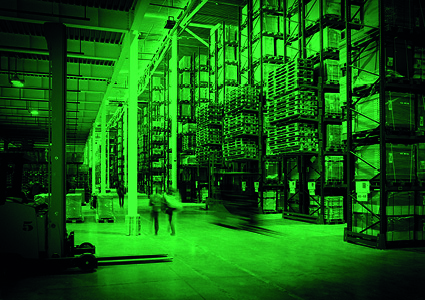
However, inserting advanced robotics into a facility does not automatically guarantee efficiency. A critical challenge has emerged on the warehouse floor. Operations must ensure that human intelligence and manual labor can keep pace with this new automation technology. When workers cannot keep up with the speed of the machines, massive bottlenecks occur. To solve this, the logistics community must look beyond mechanical hardware, address the underlying labor crisis, and utilize artificial intelligence to fundamentally change warehouse culture.
The labor crisis on the warehouse floor
It is impossible to synchronize humans and robots without first acknowledging the severe labor crisis impacting modern distribution centers. In the current labor market, warehouse turnover has emerged as a critical threat to business continuity. While a 15 percent to 25 percent turnover rate is considered healthy, many modern facilities struggle with annual turnover rates ranging from 40 percent to 60 percent. In extreme fulfillment environments, this rate can exceed 100 percent, creating a state of perpetual recruitment that drains institutional knowledge.
The financial implications of this churn are devastating. The average cost to recruit, hire, and train a single entry-level warehouse associate ranges from $4,000 to over $10,000. This staggering cost is driven by the ‘productivity gap’ of new hires, supervisor training time, and the reality that inexperienced staff are 33 percent more likely to commit costly fulfillment errors.
To compensate for these labor shortages and bridge the gap with high-speed automation, facilities frequently lean on extended overtime. However, this triggers the ‘productivity-fatigue paradox’. The physical and cognitive demands of warehouse labor are incredibly high. Research demonstrates that worker productivity declines significantly after 50 hours a week. The decline is so sharp that the total output over a 60-hour workweek is often less than what a well-rested staff would achieve in a 40-hour week. Relying on exhausted workers to feed high-speed robots creates an operation that is inherently brittle and prone to severe bottlenecks.
When muscle outpaces flexibility
Modern warehouse performance relies on three distinct pillars. Physical automation acts as the ‘muscle’ that delivers incredible speed and consistency. Human workers provide the ‘flexibility’ and cognitive dexterity that machines still lack. Orchestration is the necessary ‘brain’ that synchronizes them.
The problem arises when the muscle and the flexibility operate in disconnected silos. When human workers are fatigued or understaffed, the facility creates ‘islands of automation’. This misalignment imposes a massive capital-efficiency tax, primarily evident in equipment starvation. Starvation occurs when a high-speed robotic system is mechanically ready to move but sits idle because human workers cannot decant inbound inventory fast enough to feed the machines. Conversely, blocking happens when automation overwhelms downstream manual packing stations, forcing the expensive robots to halt entirely.
For 3PLs and trucking networks, these internal warehouse bottlenecks bleed directly into the yard and the dock. When shipments are not staged on time due to these imbalances, trailers wait at the dock much longer than planned, creating massive driver detention penalties that erode global trade margins.
The cultural toll: the rise of the ‘hero manager’
The root cause of this disconnect between humans and robots is a systematic failure to integrate warehouse software. Most facilities attempt to manage highly dynamic operations using a traditional warehouse management system (WMS). At its core, a WMS is a transaction system designed to capture barcode scans and update inventory records. It is not designed to continuously coordinate the real-time tradeoffs between human labor and robotic speed.
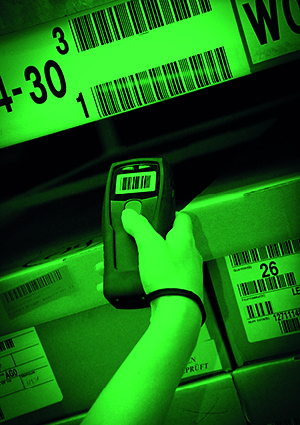
Because legacy systems only execute static tasks, human supervisors are crushed under the weight of decision overload. When a shipment arrives late, a critical picker calls out sick, or a sudden surge in priority orders disrupts the morning plan, the manager must manually determine how to reassign labor.
This dynamic fosters a toxic firefighting culture that celebrates the ‘hero manager’. These leaders are praised for resolving crises through sheer force of will. While their commitment is admirable, relying on heroics masks broken systems and introduces massive operational drag, consuming eight percent to 15 percent of a facility’s total operating expenses through rework and slow decision-making. Furthermore, the constant pressure to save the day inevitably leads to severe burnout among managers. Managers stuck in reactive firefighting modes do not have the time to support their teams or detect the early warning signs of associate disengagement, which directly fuels the massive turnover rates seen across the industry.
Agentic AI: creating a sustainable culture
To ensure human intelligence can keep pace with robotics, the global trade community must embrace Agentic AI. Forward-thinking logistics providers are deploying warehouse decision agents to act as the central operational brain.
These intelligent agents do not replace the existing WMS. Instead, they sit on top of the existing infrastructure to act as a centralized, real-time decision layer. A decision agent continuously monitors the state of both the human workforce and the automated assets. By automating high-frequency micro-decisions, the AI dynamically adjusts task sequencing and work release so that automation speed never overwhelms the human logistics teams.
Most importantly, this technology fundamentally transforms the warehouse culture. By utilizing a decision agent to unify fragmented data and recalculate optimal labor plans in minutes, facilities eliminate the crushing weight of decision overload. This completely removes the chaos and high-pressure environment of daily firefighting.
When the burden of manual coordination is lifted, supervisors are no longer forced to act as crisis responders. Instead, they can transition into proactive floor leaders and coaches. They have the time to perform structured walks, validate safety standards, and actively listen to their associates. This cultural shift creates a sustainable work environment where employees feel valued, and managers are empowered, directly addressing the root causes of burnout and systemic attrition.
In the era of Warehouse Automation 2.0, adding faster robots will not solve systemic supply chain bottlenecks. Automation without intelligent synchronization is just accelerated chaos. To thrive in global trade, 3PLs and trucking leaders must stop relying on manual heroics to bridge the gap between machines and humans. By integrating agentic AI to orchestrate execution, organizations can eliminate the overtime trap, protect their workforce from burnout, and ensure their human talent operates in perfect rhythm with their automation.
Keith Moore
Keith Moore is CEO of AutoScheduler.AI. AutoScheduler.AI empowers supply chains with its agentic AI-based DECISION AGENT that runs your warehouse. It integrates with your existing WMS/LMS/YMS or any other solution to drive value across the supply chain by optimizing labor, inventory, automation, and dock schedules in real-time. AutoScheduler continuously harmonizes data across disparate systems and intelligently sequences tasks throughout the entire operation, adapting in real-time as conditions change.
