Why GE Vernova is buying one of its own grid equipment suppliers

Subscribe to our free newsletter today to keep up to date with the latest manufacturing news.
GE Vernova has agreed to buy Trench Group, a maker of high-voltage grid equipment, from investment firm Triton Partners for $9 billion. The company announced the deal on Oct. 28 and expects it to close in late 2027, subject to regulatory approvals and consultation with employee representatives where the law requires it.
Trench, headquartered in Berlin, makes high- and medium-voltage bushings, instrument transformers, and coils. It employs more than 3000 people across 11 factories in 8 countries and serves more than 800 utilities and hyperscalers, according to GE Vernova.
This is not a move into unfamiliar territory. Trench is already a GE Vernova supplier, and buying it brings a source of essential grid components in-house while demand for transmission equipment keeps climbing.
GE Vernova is buying a supplier it already relies on
GE Vernova says the deal vertically integrates an existing supplier and increases capacity for key grid equipment. Trench’s products will feed directly into the company’s 2 largest Electrification businesses, Grid Systems Integration and Power Transmission.
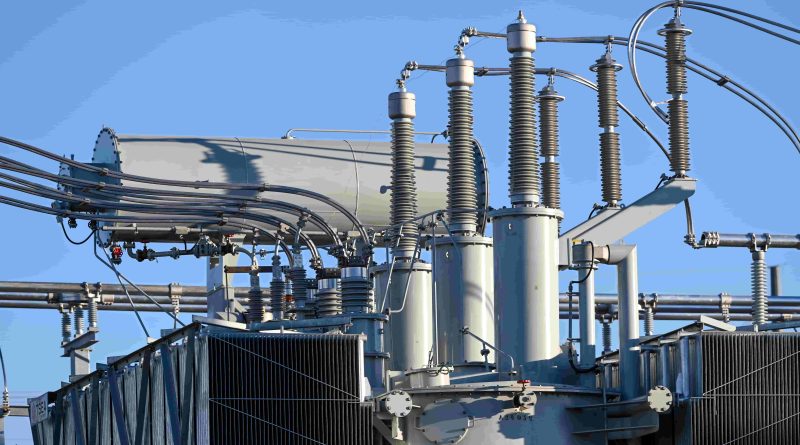
Bushings and instrument transformers are small parts of a large system, but a grid project cannot be finished without them. A bushing carries current safely through the grounded casing of a transformer or switchgear. An instrument transformer steps voltage and current down to levels that meters and protection relays can read. If either arrives late, a substation or transmission line waits.
Trench components appear in most high-voltage direct current lines built around the world, according to GE Vernova. Owning that supply gives the company more control over lead times, quality, and cost on the projects it sells.
The financial case rests on growth. GE Vernova forecasts that Trench will generate $1.9 billion in revenue in 2028, at an adjusted EBITDA margin of about 36%. The $9 billion price is about 13 times that forecast 2028 adjusted EBITDA, before any synergies. Trench has doubled its annual revenue to more than 1 billion euros since becoming independent in April 2024.
GE Vernova CEO Scott Strazik pointed to roughly $5 billion in backlog and framework agreements at Trench, “some of which reach into the next decade.” For a buyer, that offers earnings visibility well beyond the closing date.
Trench’s North Carolina plant adds 765kV grid capacity
The deal also gives GE Vernova more grid component manufacturing in North America. Trench recently opened a facility in Charlotte, North Carolina, where GE Vernova expects manufacturing of 765kV equipment to begin in late 2027.
Lines rated at 765kV sit at the top of the voltage range used on North American transmission networks. GE Vernova says higher-voltage lines can carry up to 6 times more power per corridor than conventional lines, which is why utilities are turning to them as demand rises from data centers, renewable energy, industrial electrification, and the need to replace aging infrastructure.
Equipment at that voltage class is specialized, and a domestic factory able to supply it is a strategic asset for any manufacturer selling into the US grid buildout.
Trench also brings products that avoid SF6 gas and mineral oil, which GE Vernova says reduce hazardous materials and lifecycle emissions. Its customers are increasingly seeking those features, according to the company, as environmental standards for grid equipment tighten.
The Trench deal’s long timeline leaves questions open
The price is set in US dollar equivalents using a euro to dollar exchange rate of 1.12, so the final cost in dollars may shift with currency markets. GE Vernova plans to fund the deal equally with cash and debt.
Timing is the bigger variable. A late 2027 close means more than a year of regulatory review, during which GE Vernova remains a customer rather than the owner. The Charlotte 765kV start date lands at roughly the same point, so the 2 milestones are linked in practice.
There is also a question for the wider sector. Trench CEO Bahadir Basdere said he looks forward to serving all existing and future customers. For rival equipment makers that buy Trench components, the open question is how that commitment works under GE Vernova ownership, and whether they need to secure suppliers of their own.
How they respond will help decide whether owning the supply chain becomes the standard model for grid equipment manufacturers, or remains an advantage only the largest players can afford.
Source:
GE Vernova