
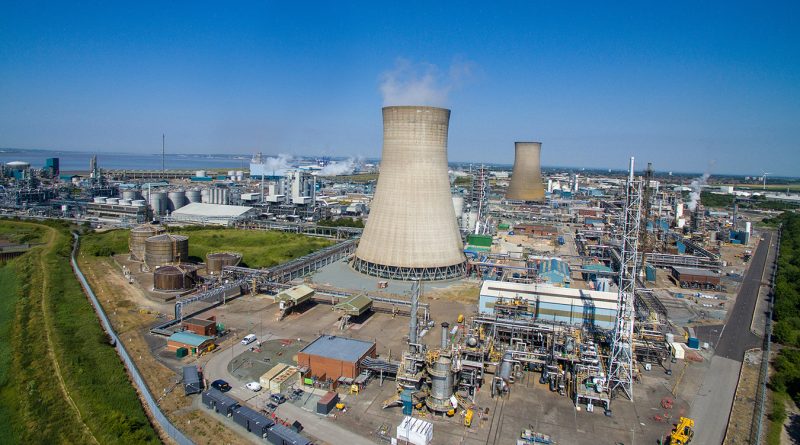
Why the UK Government is backing chemicals and ceramics manufacturing

Subscribe to our free newsletter today to keep up to date with the latest manufacturing news.
The UK government has announced a £470 million support package aimed at strengthening the long-term resilience of the chemicals and ceramics industries. The measures include a £350 million Critical Chemicals Resilience Fund alongside £120 million in support for ceramics manufacturers, sectors ministers increasingly describe as strategically important to the wider economy.
The announcement reflects a growing shift in how governments think about industrial policy. For years, chemicals and ceramics rarely attracted national political attention unless factories faced closure or energy prices surged. Now, both sectors are being treated as part of the UK’s broader economic resilience strategy.
That change has been driven partly by recent supply chain disruptions, energy market volatility and concerns about industrial competitiveness. It also reflects wider international trends as governments across Europe and the US become more willing to support domestic manufacturing capacity in sectors viewed as economically or strategically important.
The government said the new funding is intended to strengthen domestic production capability, improve supply chain resilience and support industries facing sustained pressure from global competition and energy costs.
Chemicals manufacturing has become a growing strategic concern
The largest part of the package is the £350 million Critical Chemicals Resilience Fund, which is designed to support domestic production of chemicals considered important to manufacturing and industrial supply chains.
Chemicals sit deep inside the wider economy. They are used in pharmaceuticals, construction materials, electronics, food production, automotive manufacturing and water treatment, among many other industries. Industry groups estimate chemical products contribute to supply chains connected to the overwhelming majority of manufactured goods.
That interconnected role helps explain why governments are becoming more sensitive to supply chain vulnerability. Disruptions during recent years exposed how dependent many economies had become on international production networks for industrial inputs and raw materials.
The UK chemicals sector has also faced mounting pressure from energy costs. Chemical manufacturing is energy-intensive, leaving producers particularly exposed to fluctuations in gas and electricity prices. Manufacturers have repeatedly warned that higher operating costs in the UK risk undermining competitiveness against producers in Europe, China and the US.
The government’s intervention suggests ministers are increasingly concerned that losing domestic chemical production capacity could leave the UK more vulnerable to future supply disruptions and reduce industrial competitiveness over time.
At the same time, the package signals recognition that industrial resilience is no longer viewed solely through the lens of defense or critical infrastructure. Manufacturing supply chains themselves are becoming part of national economic strategy.
Ceramics producers remain under pressure from energy costs
The government’s £120 million ceramics support package arrives after several years of sustained warnings from the sector about operating conditions in the UK.
Ceramics manufacturing relies heavily on kilns running continuously at extremely high temperatures, making energy costs one of the industry’s largest financial pressures. Producers have argued for years that UK industrial energy prices remain significantly higher than those faced by competitors in other manufacturing economies.
That challenge intensified sharply following the energy crisis triggered by Russia’s invasion of Ukraine. While wholesale energy prices have fallen from peak levels, many manufacturers say long-term cost pressures continue to affect investment decisions and competitiveness.
The ceramics industry also faces pressure from decarbonization requirements. Manufacturers are being asked to reduce emissions while operating in a sector where low-carbon alternatives remain technologically and financially difficult to implement at scale.
The government’s latest support measures appear designed partly to prevent further erosion of domestic production capacity in regions where ceramics manufacturing remains economically important.
More broadly, the intervention reflects growing awareness that industrial decline is difficult to reverse once specialist facilities, workforces and supply chains disappear.
The government’s announcement points toward a more interventionist industrial strategy
The announcement may ultimately matter less for the immediate funding totals than for what it signals about the direction of UK industrial policy.
For decades, British economic policy often prioritized market competition and services-led growth over direct industrial intervention. Recent events have challenged some of those assumptions. Pandemic disruptions, geopolitical tensions and energy market instability have all exposed vulnerabilities inside global supply chains.
Governments internationally are responding with larger industrial subsidy programs and more active manufacturing strategies. The US Inflation Reduction Act and European industrial support packages have intensified competition for investment in strategic sectors.
The UK’s latest intervention suggests ministers increasingly believe domestic industrial capability carries economic and strategic value beyond short-term market efficiency.
Questions remain about whether targeted funding announcements can evolve into a sustained long-term industrial strategy. Manufacturers continue to warn about energy costs, regulatory uncertainty and investment pressures linked to decarbonization goals.
Still, the government’s decision to commit £470 million to chemicals and ceramics manufacturing marks a notable shift in tone and priorities. Industries that once sat largely outside mainstream economic debate are moving closer to the center of national policy discussions around resilience, competitiveness and long-term economic security.
Source
