
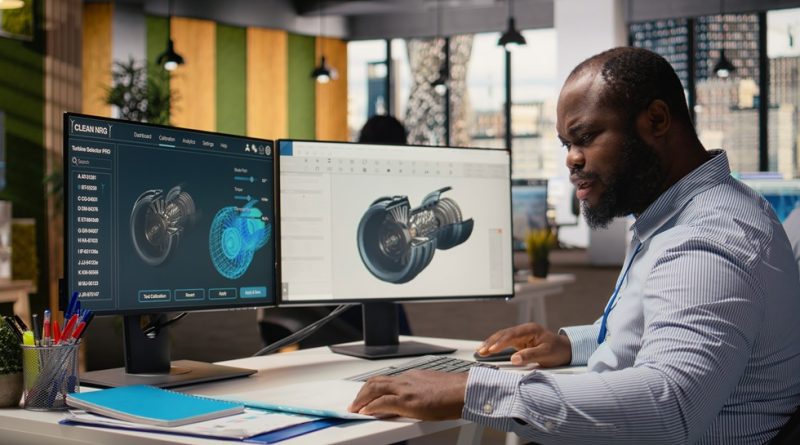
Ten engineering platforms connecting design and manufacturing

Product development has become far more collaborative than it was even a decade ago. Engineering teams are no longer working in isolation before handing designs to manufacturing. Instead, manufacturers are looking to create a continuous flow of information that connects product design, simulation, engineering change, manufacturing planning, quality and service throughout the product lifecycle. The objective is to shorten development cycles, improve collaboration and ensure that design decisions translate into more efficient, higher-quality production.
This shift has elevated engineering platforms from specialist design tools to strategic business systems. Whether supporting product lifecycle management, simulation, digital threads or cloud-based collaboration, today’s leading platforms help manufacturers bridge the traditional gap between engineering and manufacturing. The companies featured here represent some of the most influential providers enabling organizations to bring products to market faster, improve engineering agility and create closer alignment between product development and manufacturing operations.
PTC
Engineering decisions rarely end when a product leaves the design office. They continue throughout manufacturing, service and product improvement, making it increasingly important for organizations to maintain a continuous flow of information across the product lifecycle. PTC has built its reputation by helping manufacturers connect these traditionally separate disciplines through an integrated engineering platform.
At the heart of its strategy are Windchill PLM and its broader digital thread capabilities, which link product design, engineering changes, manufacturing planning and operational performance within a common environment. Combined with industrial IoT and augmented reality technologies, PTC enables manufacturers to connect design intent with real-world product performance, supporting faster engineering changes, improved collaboration and more efficient product development. As manufacturers seek to reduce development cycles while improving quality and traceability, PTC continues to be one of the industry’s leading platforms for connecting engineering with manufacturing execution.
Dassault Systèmes
Developing increasingly complex products requires engineering teams to work across multiple disciplines while ensuring that every design decision can be carried through to manufacturing. Dassault Systèmes has become one of the world’s leading engineering platforms by providing a collaborative environment where product design, simulation, manufacturing planning and lifecycle management are brought together within a single digital ecosystem.
Through its 3DEXPERIENCE platform, together with applications including CATIA, ENOVIA and DELMIA, the company enables manufacturers to manage the complete product lifecycle from initial concept through production and beyond. Engineers, designers and manufacturing teams can collaborate using a common source of product information, helping reduce errors, accelerate engineering changes and improve product quality. As manufacturers increasingly adopt digital thread strategies to connect engineering with production, Dassault Systèmes remains one of the industry’s most influential platforms for bridging design, manufacturing and operational performance.
Siemens Digital Industries Software
The ability to connect product engineering with manufacturing execution has become a competitive advantage for manufacturers developing increasingly sophisticated products. Siemens Digital Industries Software has built one of the industry’s most comprehensive engineering portfolios by integrating product design, simulation, manufacturing engineering and production planning within a connected digital environment.
Its software portfolio, including Teamcenter, NX and Tecnomatix, enables manufacturers to manage product data, coordinate engineering changes and validate manufacturing processes before production begins. By creating a continuous digital thread from design through manufacturing, Siemens helps organizations improve collaboration, reduce development risk and accelerate the introduction of new products. The platform is particularly valuable for manufacturers managing complex products, global engineering teams and highly regulated production environments. As digital engineering becomes central to modern manufacturing, Siemens continues to play a leading role in connecting product development with factory operations.
Autodesk
Product development is becoming increasingly collaborative, requiring engineering, manufacturing and supply chain teams to work from the same set of product information rather than relying on disconnected design files and manual processes. Autodesk has strengthened its position in manufacturing by delivering cloud-based engineering platforms that improve collaboration from concept through production.
Its Fusion platform brings together CAD, CAM, CAE and product data management within a unified environment, enabling engineers to design, simulate and prepare products for manufacture without constantly moving between separate applications. This integrated approach helps manufacturers shorten development cycles, improve design for manufacturability and respond more quickly to engineering changes. Autodesk’s emphasis on cloud collaboration also makes it well suited to organizations with distributed engineering teams and increasingly complex supply chains. As manufacturers modernize product development, Autodesk continues to expand its influence as a platform connecting design with manufacturing execution.
Aras
Engineering change is one of the greatest challenges facing manufacturers. As products become more complex and development cycles accelerate, organizations need platforms capable of managing change across engineering, manufacturing and service without creating disconnected processes or duplicate data. Aras has built its reputation by focusing on this challenge through a flexible, enterprise-scale product lifecycle management platform.
The company’s open architecture enables manufacturers to manage product data, engineering changes, configuration management and digital thread initiatives within a single environment. Unlike many traditional PLM platforms, Aras is designed to adapt to evolving business requirements, making it particularly attractive to organizations managing complex products and long operational lifecycles. By connecting engineering decisions with manufacturing execution and downstream operations, Aras helps manufacturers improve collaboration, strengthen traceability and bring products to market more efficiently.
Propel Software
Product development can no longer operate in isolation from manufacturing, supply chain and customer requirements. Engineering teams need immediate visibility into how design changes affect production, sourcing and service, while manufacturers need rapid access to the latest product information. Propel Software has built its cloud-native platform specifically to connect these traditionally separate functions.
Built on Salesforce, Propel combines product lifecycle management, quality management and product information management within a single environment, creating a continuous flow of information from design through manufacturing and into the field. This enables engineering changes to be communicated more quickly, improves collaboration across distributed teams and helps manufacturers respond faster to changing customer and market demands. Propel’s cloud-first approach also makes it well suited to organizations seeking greater agility without the complexity of traditional on-premise PLM systems. As manufacturers modernize product development, Propel is emerging as one of the industry’s most innovative engineering platforms.
Arena
Bringing a new product to market depends on engineering, quality and manufacturing teams working from the same information. When product data is fragmented across multiple systems, engineering changes become slower, compliance becomes more difficult and production delays become more likely. Arena has established itself as a leading cloud-native platform by helping manufacturers keep these critical functions aligned throughout the product lifecycle.
Arena combines product lifecycle management and quality management within a single environment, giving manufacturers greater control over product records, engineering changes, documentation and regulatory compliance. The platform has gained particular traction in industries such as electronics, medical devices and high-tech manufacturing, where traceability and rapid product iteration are essential. Its cloud-based architecture also enables suppliers and distributed teams to collaborate more effectively without relying on complex on-premise infrastructure. As manufacturers accelerate product development while maintaining quality and compliance, Arena continues to be an important engineering platform connecting design with production.
Bentley Systems
For many manufacturers, the products they build are only part of the engineering challenge. Large industrial facilities also depend on complex infrastructure, utilities and production assets that must be designed, managed and maintained throughout their operational life. Bentley Systems has built a strong position by helping manufacturers connect engineering information with the physical infrastructure that supports production.
The company’s engineering and infrastructure software enables organizations to create comprehensive digital representations of industrial facilities, bringing together design data, asset information and operational insights within a connected environment. This supports more effective planning, engineering collaboration and lifecycle management while improving visibility across large manufacturing sites. Bentley is particularly well established in process industries, energy and other asset-intensive sectors where engineering decisions extend far beyond the factory floor. As manufacturers increasingly seek a more holistic view of their operations, Bentley Systems continues to strengthen the connection between engineering, infrastructure and manufacturing performance.
Hexagon
Engineering no longer ends when a product is released for manufacture. Today’s manufacturers need continuous feedback between design, production and quality to ensure products perform as intended while supporting ongoing improvement. Hexagon has developed a broad engineering portfolio that helps manufacturers connect these disciplines through a combination of design software, metrology, simulation and manufacturing intelligence.
The company’s solutions enable manufacturers to validate designs, inspect components, analyze production quality and feed measurement data back into engineering processes. This creates a more continuous flow of information between product development and manufacturing, helping organizations identify issues earlier and reduce the cost of engineering changes. Hexagon’s ability to combine digital engineering with precision measurement and manufacturing analytics has made it particularly valuable in industries where product complexity, quality and regulatory compliance are critical. As manufacturers pursue closed-loop engineering, Hexagon continues to play an important role in connecting design intent with manufacturing reality.
Ansys
The decisions made during product development determine far more than how a product performs. They influence manufacturability, production costs, quality, reliability and ultimately the speed at which new products reach the market. Ansys has established itself as one of the world’s leading engineering simulation platforms by helping manufacturers evaluate these decisions before physical prototypes are built.
Its software enables engineers to simulate structural, thermal, fluid and electromagnetic performance under real-world operating conditions, allowing potential issues to be identified early in the development process. By integrating advanced simulation with digital engineering workflows, manufacturers can optimize designs, reduce the number of physical prototypes and validate manufacturing processes with greater confidence. This ability to connect engineering analysis with downstream manufacturing outcomes helps organizations accelerate innovation while reducing cost and risk. As virtual engineering becomes an increasingly important part of product development, Ansys continues to play a central role in linking design decisions with manufacturing success.
