
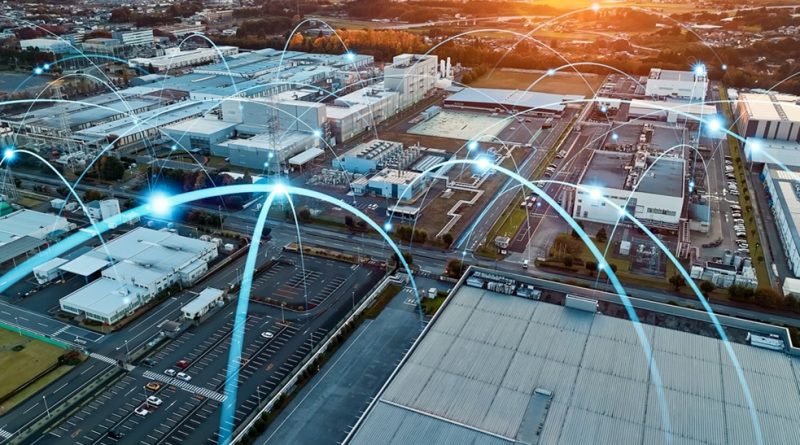
Ten industrial connectivity companies powering smart manufacturing

Smart manufacturing depends on the ability to move data reliably between machines, control systems, edge devices and enterprise applications. As factories become more connected, industrial networks are carrying far more than traditional automation traffic. Machine vision, industrial IoT, AI, mobile equipment and cloud-connected applications are placing new demands on infrastructure that must remain available around the clock. Connectivity has therefore become a critical part of the production environment rather than simply an underlying IT service.
The challenge is complicated by the diversity of manufacturing operations. Modern factories combine legacy machinery with industrial Ethernet, wireless networks, private 5G, edge computing and an expanding range of connected devices, all while demanding high levels of reliability and security. The companies featured here are helping manufacturers address that complexity, providing the networking, communications and interoperability technologies needed to connect assets, integrate established equipment and create the resilient data infrastructure underpinning increasingly digital production.
Cisco
Connectivity has become part of the production infrastructure. As manufacturers connect machines, control systems, edge devices and enterprise applications, industrial networks must deliver the reliability of traditional operational technology while supporting the flexibility and visibility expected from modern IT. Cisco has become one of the most influential companies addressing this convergence.
Its industrial networking portfolio spans ruggedized Ethernet switching, wireless connectivity, network management and security technologies designed for demanding production environments. Cisco also enables manufacturers to segment industrial networks, improve visibility into connected assets and securely move operational data between the factory floor, edge applications and enterprise systems. Its strength lies in combining extensive IT networking expertise with technologies specifically designed for operational environments. As smart manufacturing increases the number of connected assets across factories, Cisco continues to provide much of the secure communications infrastructure needed to keep industrial data moving reliably.
Belden
Factory networks operate in conditions that conventional enterprise infrastructure was never designed to handle. Heat, vibration, electrical interference and continuous production all place additional demands on connectivity, making reliability as important as bandwidth. Belden has built its industrial networking business around providing the physical and digital infrastructure required to keep data moving in these challenging environments.
The company’s portfolio spans industrial Ethernet, switches, routers, wireless technologies and network security, supported by its long-standing expertise in industrial cabling and connectivity. Through brands including Hirschmann, Belden has a significant presence in manufacturing environments where resilient communications are essential to production continuity. Its technologies help manufacturers connect machines, control systems and edge devices while improving network visibility and segmentation. As factories become more connected and data-intensive, Belden remains an important provider of the robust communications infrastructure underpinning smart manufacturing.
Moxa
Industrial connectivity becomes more demanding as manufacturers connect legacy equipment with modern Ethernet networks, edge systems and cloud applications. Production environments need communications infrastructure that can operate continuously under harsh conditions while supporting the growing volumes of data generated by connected machines. Moxa has established itself as a leading specialist in industrial networking by focusing specifically on these operational requirements.
Its portfolio includes industrial Ethernet switches, secure routers, wireless networking, protocol gateways and edge connectivity technologies designed for factories and other critical environments. Moxa is particularly strong at bridging older serial and field-level equipment with modern IP-based networks, helping manufacturers modernize connectivity without replacing valuable production assets. The company also places increasing emphasis on network security and resilience as IT and OT environments converge. As manufacturers connect more equipment while retaining legacy systems, Moxa remains an important enabler of reliable industrial communications.
Nokia
Wireless connectivity is becoming increasingly important as manufacturers connect mobile equipment, autonomous systems and production assets that cannot depend on fixed network infrastructure. Nokia has emerged as a major industrial connectivity provider by bringing private wireless technologies, particularly private 4G and 5G, into factories and other operational environments.
Its industrial networking portfolio enables manufacturers to create dedicated wireless networks with the coverage, reliability and low latency required for production-critical applications. These networks can support autonomous mobile robots, machine vision, connected workers, asset tracking and increasingly data-intensive edge and AI workloads across large industrial sites. Unlike public cellular connectivity, private wireless gives manufacturers greater control over network performance, security and capacity. As factories become more flexible and mobile, Nokia’s ability to provide industrial-grade wireless infrastructure is helping manufacturers extend reliable connectivity beyond the limits of traditional wired networks.
HMS Networks
Smart manufacturing depends on equipment from different vendors being able to exchange data reliably, yet industrial environments often contain a mix of protocols, control systems and legacy devices that were never designed to communicate with one another. HMS Networks has built its business around solving this interoperability challenge.
The company provides industrial communication technologies spanning gateways, embedded connectivity, remote access and industrial Ethernet solutions. Its Anybus, Ewon and Ixxat product families help manufacturers connect machines to factory networks, integrate legacy equipment and enable secure remote monitoring across distributed sites. This makes HMS particularly valuable for manufacturers modernizing existing operations without undertaking wholesale equipment replacement. As factories become more connected, the ability to bridge different protocols and technologies is becoming increasingly important. HMS Networks remains one of the leading specialists helping manufacturers create the interoperable communications layer required for smart manufacturing.
Red Lion
Industrial connectivity is not only about moving data between machines. Manufacturers also need a practical way to connect legacy equipment, remote assets and modern digital systems without introducing unnecessary complexity. Red Lion has built a strong position by focusing on the communications and edge technologies that help bridge these different parts of the industrial environment.
Its portfolio includes industrial Ethernet switches, protocol converters, gateways, cellular connectivity and edge automation products designed for demanding manufacturing applications. Red Lion is particularly useful where organizations need to connect older equipment to newer networks or enable data exchange between systems using different industrial protocols. This makes its technology relevant for brownfield modernization projects where complete infrastructure replacement is neither practical nor economical. As manufacturers pursue greater visibility and connectivity across existing operations, Red Lion continues to provide the flexible communications tools needed to extend smart manufacturing into legacy environments.
Hirschmann
Industrial networks must remain available even when operating conditions are anything but predictable. Production environments expose communications equipment to vibration, temperature changes, electromagnetic interference and other stresses that can compromise conventional networking infrastructure. Hirschmann has built its reputation around industrial networking technologies designed to maintain reliable communications under these demanding conditions.
Part of Belden, Hirschmann provides industrial Ethernet switches, routers, wireless systems and network management technologies used across manufacturing and other critical infrastructure environments. Its solutions support resilient network architectures that help manufacturers connect automation systems, machines and edge devices while maintaining the availability required for continuous production. Hirschmann also provides capabilities for network segmentation and security as manufacturers connect previously isolated operational systems. Its specialist focus on ruggedized industrial networking makes the brand particularly relevant where connectivity has become production-critical infrastructure rather than simply another layer of IT.
Siemens
Connectivity becomes most valuable when it is tightly integrated with the automation systems controlling production. Siemens occupies a distinctive position in industrial networking because its communications technologies sit alongside PLCs, drives, control systems, edge computing and industrial software already deployed throughout manufacturing environments.
The company’s industrial communications portfolio includes Industrial Ethernet, PROFINET, wireless networking and ruggedized switching technologies designed to connect machines, production cells and higher-level systems. Siemens also supports manufacturers seeking to integrate operational data with edge and cloud applications while maintaining the deterministic performance required by industrial automation. Its strength lies in treating networking as part of a broader automation architecture rather than as standalone infrastructure. As manufacturers connect increasingly complex production environments, Siemens continues to provide the communications backbone linking automation, data and digital applications across the smart factory.
HPE Aruba Networking
Wireless connectivity inside a factory must support far more than laptops and mobile devices. Manufacturers increasingly rely on connected production equipment, handheld systems, sensors and mobile assets that require reliable access across environments where interference, coverage gaps and security risks can quickly become operational problems. HPE Aruba Networking has built a strong position by bringing enterprise-grade wireless and network management capabilities into these increasingly connected industrial environments.
Its portfolio spans Wi-Fi, switching, network access control and centralized management, enabling manufacturers to connect and manage devices across production facilities, warehouses and wider industrial campuses. Aruba’s capabilities are particularly relevant where organizations need consistent connectivity for mobile workers, IoT devices and data-intensive applications while maintaining visibility and control over network access. As wireless infrastructure becomes an increasingly important part of smart manufacturing, HPE Aruba Networking is helping manufacturers create secure and manageable networks capable of supporting a growing population of connected assets.
Phoenix Contact
Industrial connectivity increasingly extends beyond the network itself into the devices, controllers and interfaces that link physical production equipment with digital systems. Phoenix Contact has built a strong position by combining industrial networking with automation and connectivity technologies designed for demanding manufacturing environments.
Its portfolio includes industrial Ethernet switches, wireless systems, remote I/O, controllers and secure communication products that help manufacturers connect machines, production cells and distributed assets. Phoenix Contact is particularly relevant where organizations need a tightly integrated approach to networking and automation rather than separate technology layers. Its technologies also support the modernization of brownfield environments by linking established control systems with newer digital infrastructure. As smart manufacturing increases the number of connected devices across the factory, Phoenix Contact continues to play an important role in providing the reliable communications and automation foundation needed to support connected production.
