
 AI & Autonomous Operations
Five technologies manufacturers should understand before scaling AI
Five industrial AI technologies are becoming critical as manufacturers move from isolated pilots toward repeatable production-scale deployment
Read moreInsights, data, and innovations driving the future of smart manufacturing.
AI & Autonomous Operations Five industrial AI technologies are becoming critical as manufacturers move from isolated pilots toward repeatable production-scale deployment
Read more AI & Autonomous Operations
Manufacturing edge computing is becoming operational infrastructure as factories need local intelligence, resilient applications and scalable industrial data
Read more AI & Autonomous Operations
Manufacturing data becomes valuable when operational context connects machine information with the decisions and business outcomes it affects
Read more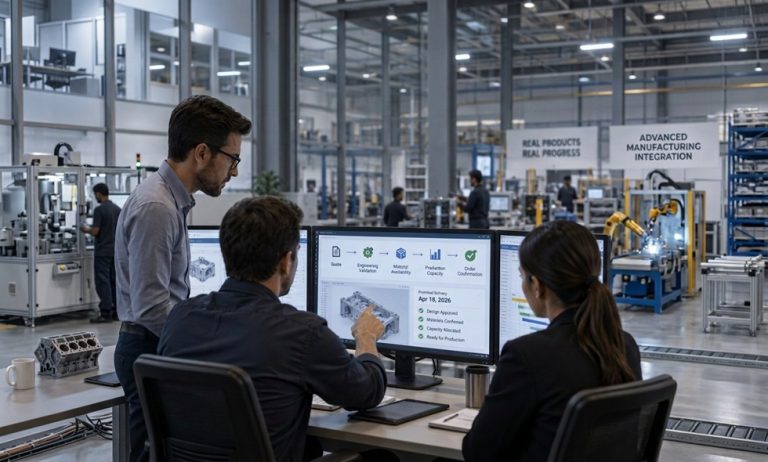 AI & Autonomous Operations
Agentic manufacturing could connect decisions across ERP, PLM, MES and CRM without forcing manufacturers to replace their core systems
Read more AI & Autonomous Operations
Physical AI is expanding automation into variable industrial environments that conventional fixed robots struggle to handle
Read more AI & Autonomous Operations
Manufacturing AI needs explainability, governance and operational context if workers are expected to trust its recommendations
Read more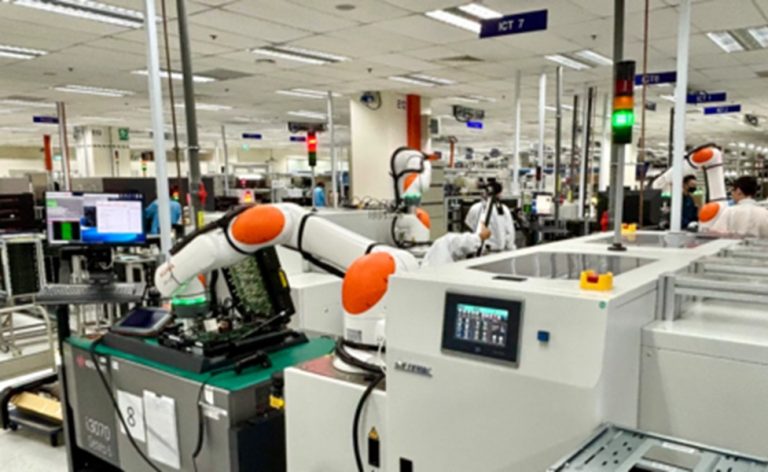 AI & Autonomous Operations
Rockwell’s Singapore Lighthouse shows why scaling industrial AI depends on people, governance, architecture and reusable production systems
Read more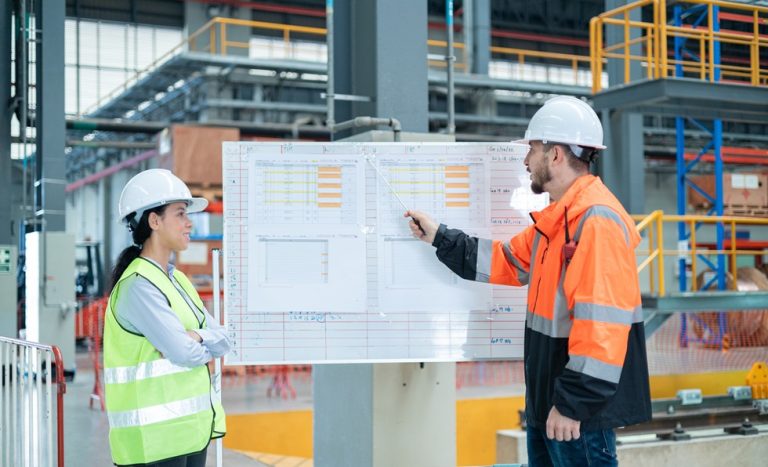 AI & Autonomous Operations
AI production scheduling can help factories adapt when machines, materials and workforce availability disrupt the original plan
Read more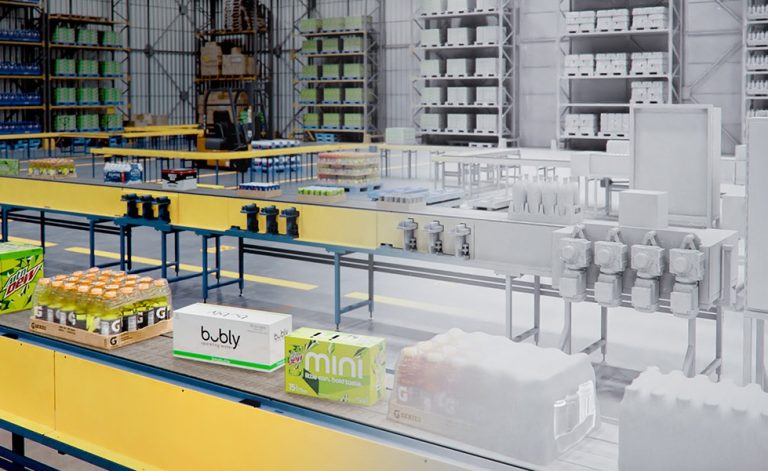 AI & Autonomous Operations
Physical AI needs physics-based simulation to prove intelligent machines are ready for real factory conditions
Read more AI & Autonomous Operations
Permanent volatility is forcing manufacturers to connect supply chain planning more closely with factory constraints and business trade-offs
Read more