
 AI & Autonomous Operations
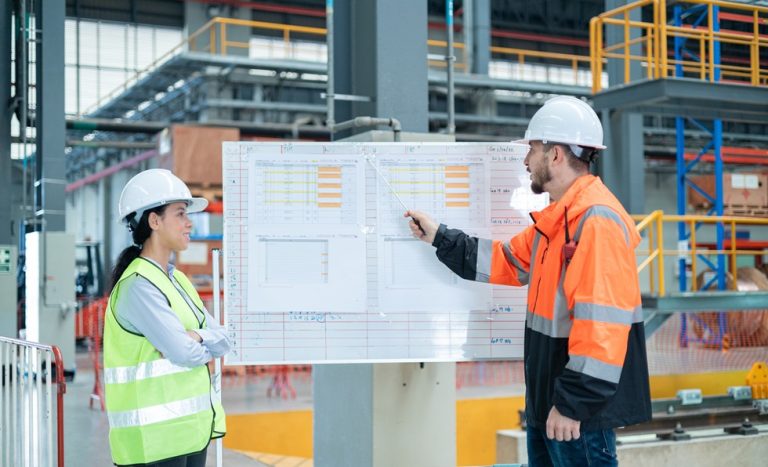
The factory plan is obsolete the moment reality changes
AI production scheduling can help factories adapt when machines, materials and workforce availability disrupt the original plan
Read moreInsights, data, and innovations driving the future of smart manufacturing.
AI & Autonomous Operations AI production scheduling can help factories adapt when machines, materials and workforce availability disrupt the original plan
Read more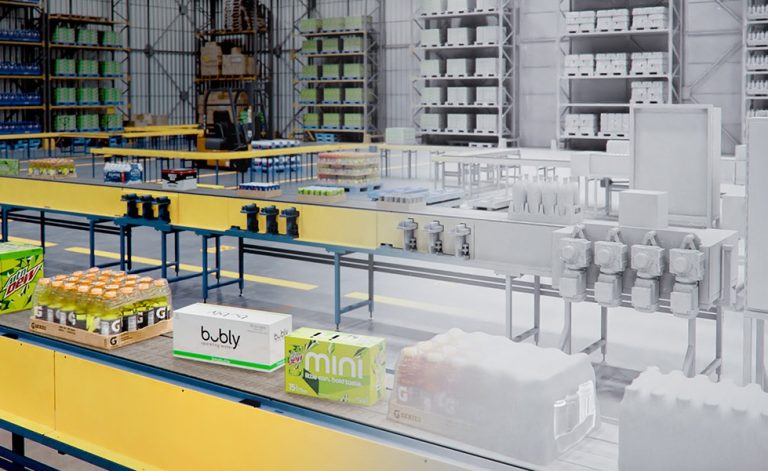 AI & Autonomous Operations
Physical AI needs physics-based simulation to prove intelligent machines are ready for real factory conditions
Read more AI & Autonomous Operations
Agentic AI could connect engineering, supply and production decisions so manufacturers make more reliable customer commitments
Read more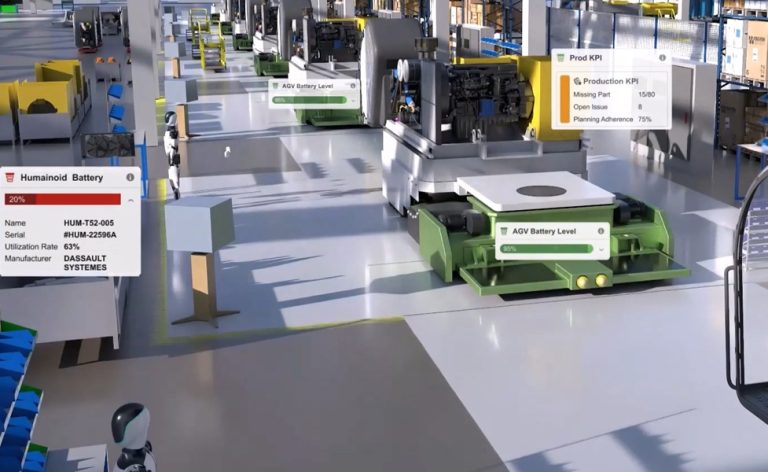 AI & Autonomous Operations
Virtual twins can give industrial AI the engineering context needed to make more reliable manufacturing decisions.
Read more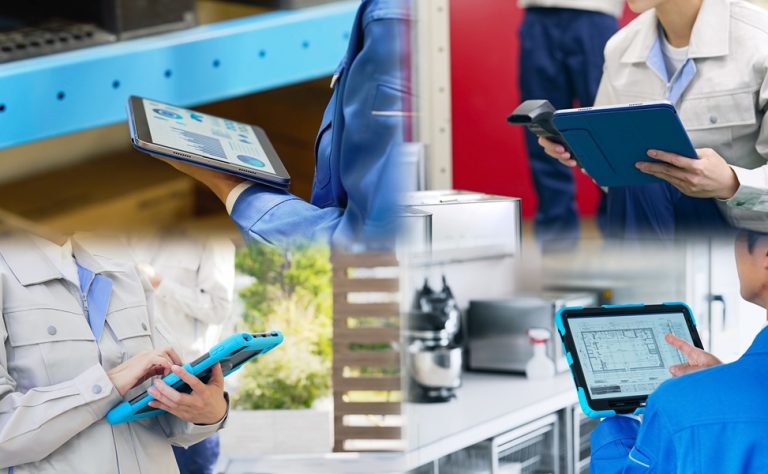 AI & Autonomous Operations
Better production scheduling focuses on constraints and current factory conditions rather than constantly rebuilding the perfect plan
Read more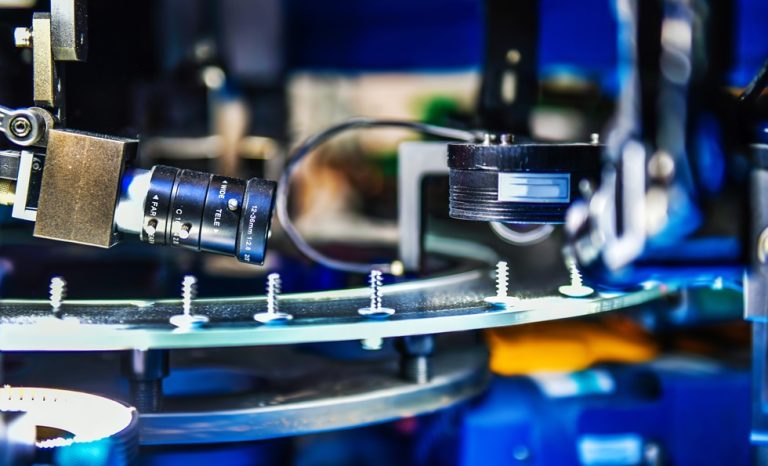 AI & Autonomous Operations
Machine vision is moving beyond image capture as AI, model management and automation reshape industrial inspection
Read more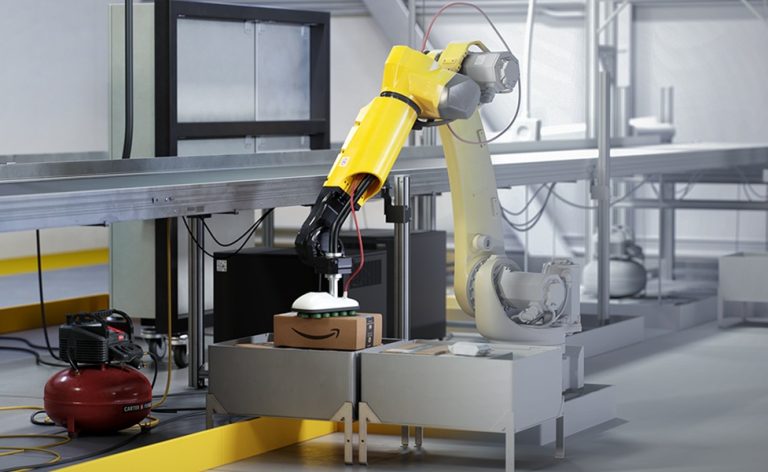 AI & Autonomous Operations
Physical AI is extending intelligence beyond individual robots and machines into the wider factory
Read more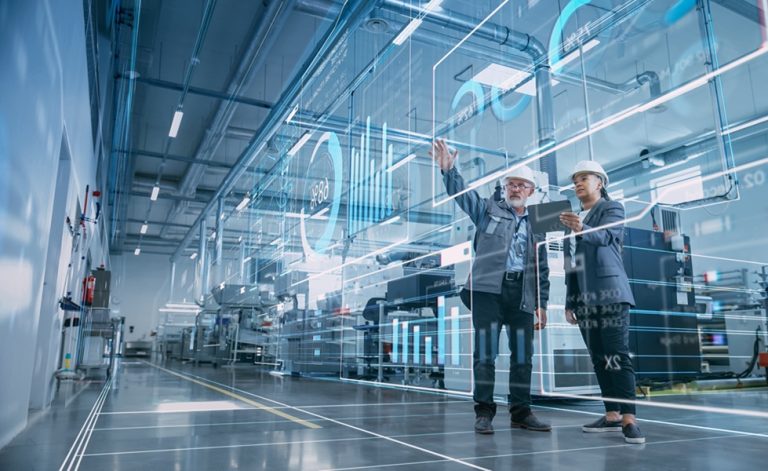 AI & Autonomous Operations
The intelligent factory needs architecture that connects AI, data, infrastructure and operational systems without creating new silos.
Read more AI & Autonomous Operations
Manufacturing ERP is evolving from recording transactions to guiding the decisions that should happen next
Read more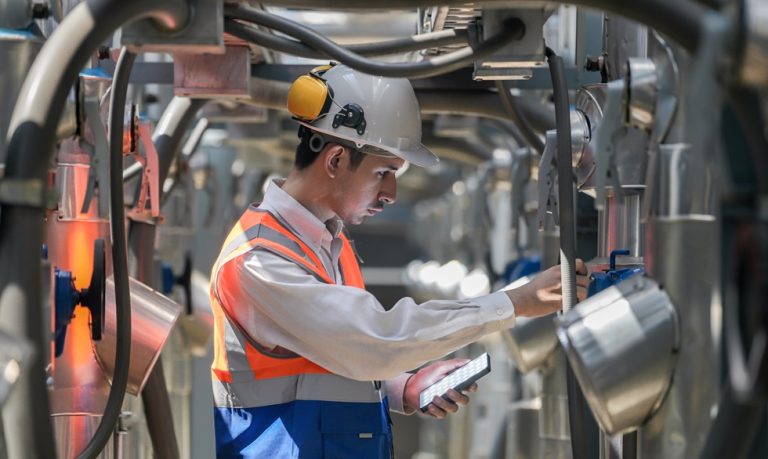 AI & Autonomous Operations
No-code industrial AI could let factory teams build agents around the production problems they understand best
Read more